

How Swing Speed Affects Shaft Flex: A Golfer's Guide
Table of Contents
- How Swing Speed Affects Shaft Flex
- Swing Speed, Tempo, Transition and Release: What Actually Decides Flex
- Golf Shaft Flex Chart by Swing Speed
- The Ideal Shaft Flex for 90 mph Swing Speed
- Golf Shaft Weight and Swing Speed: The Pairing That Changes Everything
- Does Shaft Flex Affect Accuracy? Reading Your Miss Pattern
- How to Test a Shaft Fit: A Repeatable Process
- Conclusion
- Frequently Asked Questions
Last Updated: October 18, 2026
How Swing Speed Affects Shaft Flex
Swing speed is the single biggest factor in choosing shaft flex, but it is not the only one. At Prime Golf Shafts, we see golfers fixate on one number from a launch monitor and ignore everything else that decides whether a shaft actually loads and releases correctly.
Below, we explain how swing speed affects shaft selection, where the flex charts fall short, and how to test a shaft properly before you buy.
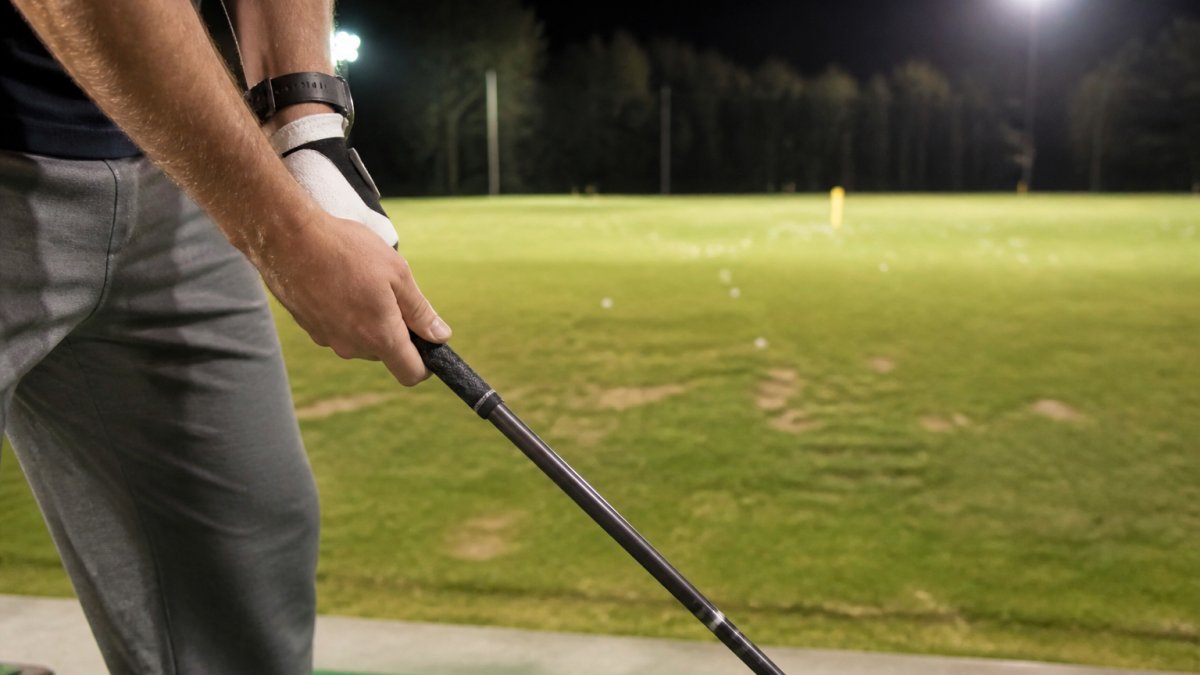
Shaft flex is a measure of how much a golf shaft bends under the load of your swing, graded from ladies and senior through regular, stiff and extra-stiff.
That is the short version. The longer version is messier, because speed alone never tells the full story.
Swing Speed, Tempo, Transition and Release: What Actually Decides Flex
Four things decide flex, and speed is only the first. Tempo is how quickly you swing overall. Transition is how hard you start down from the top. Release is when your hands and wrists unload the club.
A player who swings at 100 mph with a smooth transition can often play a softer flex than a player at the same speed who rips it from the top. The aggressive transition loads the shaft harder, so it needs more resistance.
This is the part most flex charts ignore. Two golfers with identical driver swing speed can need different shafts. If you are coming from a stock shaft and wondering why a fitting matters, this is the answer: the fitter is reading your transition and release, not just your clubhead speed.
Golf Shaft Flex Chart by Swing Speed
A golf shaft flex chart by swing speed gives you a starting point, not a verdict. Use the ranges below as a first filter, then refine with tempo and transition.
| Flex | Driver swing speed | Typical player profile |
|---|---|---|
| Ladies (L) | Under 70 mph | Slower tempo, smoother release |
| Senior (A) | 70-85 mph | Moderate tempo, needs help launching |
| Regular (R) | 85-95 mph | Average amateur speed, smooth to moderate transition |
| Stiff (S) | 95-105 mph | Stronger transition, consistent loading |
| Extra-stiff (X) | 105 mph+ | Aggressive transition, high clubhead speed |
Treat these ranges as guidance. Flex labels are not standardised across manufacturers, so an S in one brand can measure closer to an R in another. Always test before you commit.
How to read the chart against your own swing
The chart is a map, not a prescription. Two golfers sitting in the same row can need different shafts, because the row only tells you where your clubhead speed lands, not how you load the shaft on the way down. Read the chart in three passes.
First pass, locate your speed band. Take an average of at least ten driver swings on a launch monitor, not your single best swing. A one-off 98 mph reading means less than a steady 93 mph average. Use the average to find your row.
Second pass, check your transition against the profile column. If your transition is smooth and your release is early, the softer end of your band is usually the better starting point.
Third pass, check your ball flight and miss pattern. A high, ballooning flight with a left miss suggests the shaft is loading too easily for you, which points one step stiffer.
Where the chart breaks down
The chart assumes a driver. It does not transfer cleanly to irons, because iron shafts are shorter, heavier and swung at lower speed, and the fitting variables that matter shift toward weight, bend profile and launch control rather than raw flex. Do not take a driver speed reading and apply the same flex row across your whole set.
It also assumes a standard-length club. A shorter or longer build changes how the shaft loads at the same measured speed, so a chart built around stock length is only a rough guide once you move away from it.
The Ideal Shaft Flex for 90 mph Swing Speed
The ideal shaft flex for 90 mph swing speed is usually regular, with stiff as the alternative for players who load hard. At 90 mph you sit in the middle of the regular band, which is exactly where most amateur golfers land.
Three things push you toward stiff at that speed:
- A fast, aggressive transition from the top
- A late release that adds snap through impact
- A miss pattern that leaks right under load
If your tempo is smooth and your ball flight is already high, regular is the better fit. Our Prime Graphite Shaft in R Flex is built for exactly this profile: a smooth, responsive load with a higher launch and stable feel through impact. For stronger loaders at the same speed, the S Flex gives a firmer, more controlled flight.


Golf Shaft Weight and Swing Speed: The Pairing That Changes Everything
Weight and flex work together, and golfers routinely ignore weight. A lighter shaft can add clubhead speed for some players, but too light a shaft feels unstable and sprays the ball. A heavier shaft steadies the club but can cost speed.
Prime Graphite Shaft | X Flex →
The rule we use: match weight to your tempo first, then flex to your speed. Quick tempo players usually control a heavier shaft better. Smooth swingers often gain speed and feel from a lighter one.
Flex alone will not fix a weight mismatch. If the club feels whippy or boardy in your hands before you even swing, the weight is wrong regardless of the flex label.
Does Shaft Flex Affect Accuracy? Reading Your Miss Pattern
Yes, shaft flex affects accuracy, and your miss pattern tells you which way you are off. An overly stiff shaft tends to leave the face open, producing a right miss and a lower, shorter flight. An overly flexible shaft closes the face early, pulling the ball left and adding height and spin.
Read your shots like this:
- Right miss, low flight, harsh feel: shaft likely too stiff
- Left miss, ballooning flight, loose feel: shaft likely too soft
- Inconsistent strike, no clear pattern: check weight and length before flex
One round proves nothing. Track your miss over several sessions before you change anything.
How to Test a Shaft Fit: A Repeatable Process
Testing a shaft properly takes one session and a launch monitor. The goal is to change one variable at a time so that any difference in the numbers comes from the shaft, not from the clubhead, the ball or your own fatigue.
Set up a fair comparison
Keep everything constant except the shaft. That means the same clubhead and loft, the same ball model, the same tee height and the same launch monitor. If you switch clubheads between shafts, you are testing the head as much as the shaft and the results will mislead you.
Warm up fully before you record anything. Hit ten baseline shots with your current shaft and discard the first few as warm-up. Record club speed, ball speed, launch angle, spin rate, carry distance, peak height and lateral dispersion. Note strike location on the face, because a heel or toe strike changes spin and launch more than the shaft does.
Run the comparison
- Hit ten baseline shots with your current shaft and record the averages
- Switch to the candidate shaft, same clubhead and ball, and hit ten more
- Compare averages, not your best strike
- Repeat with a second flex or weight if the numbers are close
- Finish with a short block of five shots on the candidate you prefer, to confirm it holds up as you tire
Ten shots per shaft is a minimum. If your strike location is scattered, hit more until the pattern settles, or the averages will reflect your swing rather than the shaft.
Read the numbers, not the label
Judge the fit on three things: carry distance consistency, shot dispersion and spin rate.
- Carry distance consistency: the spread between your shortest and longest carry with the same shaft. A tighter spread means the shaft is delivering the clubhead repeatably.
- Shot dispersion: the left-to-right spread of your landing pattern. This is usually the deciding metric when two shafts are close on distance.
- Spin rate: a shaft that is too soft for your transition tends to add spin and launch, which can balloon the flight and cost carry into wind. A shaft that is too stiff can drop spin and launch too low to hold a green.
A shaft that adds five yards but doubles your spread is not a fit. A shaft that gives up two yards of carry but halves your dispersion is usually the better club on the course.
Handle the close call
When two shafts produce similar averages, decide on dispersion and feel, not on the single longest shot. The longer one is often a lucky strike; the tighter one is the repeatable result. If you cannot separate them on numbers, take the one that feels stable through impact, because feel affects how confidently you swing and that shows up in the numbers over time.
Our X Flex suits players who need maximum stability under load, with a firm profile that manages launch and spin for tighter dispersion.

Conclusion
Matching shaft to swing speed is a process, not a lookup. Speed sets the range, then tempo, transition, release and weight decide where inside that range you land. Test with a launch monitor, compare averages, and trust dispersion over one long drive.
At Prime Golf Shafts, every graphite shaft is custom built in the UK with Active Taper Technology, giving you a smooth load and stable delivery through impact. Our R, S and X profiles cover the full speed range, and each shaft is built to your grip, adapter and playing length. Get started with Prime Golf Shafts and build a shaft that matches how you actually swing.
Frequently Asked Questions
If I hit my driver 250 yards, what swing speed should I use?
A 250-yard carry usually points to a driver swing speed in the region of 105 to 110 mph, which most flex charts place in stiff or extra-stiff territory. Treat that as a starting point, not a verdict. Carry distance also depends on launch angle, spin rate and strike location, so a high-launch, low-spin player can reach 250 yards at a lower speed. Measure your clubhead speed on a launch monitor, then test stiff and extra-stiff profiles side by side before committing.
What happens if your swing speed is too slow for a stiff shaft?
A shaft that is too stiff for your speed will not load properly through the downswing. The result is usually a lower ball flight, less carry distance and a boardy feel that encourages you to swing harder than your natural tempo. Many players then start forcing the club, which costs accuracy. If your driver swing speed sits below roughly 95 mph, a regular flex is normally the better starting point, with senior flex worth testing if you are below 80 mph.
Does shaft weight matter for swing speed?
Yes. Shaft weight and swing speed are linked because a lighter shaft is easier to accelerate, which can raise clubhead speed for players who struggle to generate it. Heavier shafts can improve stability and tempo for faster, more aggressive swingers. The trade-off is control: going too light can make your transition feel loose and widen dispersion. Test weights in small steps and watch both ball speed and shot dispersion, not speed alone.
Can the wrong shaft flex affect accuracy?
It can. Shaft flex affects accuracy mainly through timing. A flex that matches your transition helps the clubhead square at impact, while a mismatch tends to produce a repeatable miss to one side. An overly stiff shaft often leaves the face open, pushing shots right, while an overly soft shaft can close it early and produce a hook. Your miss pattern on the launch monitor is the clearest signal that flex is working against you.